

How UX helped our social media campaign raise brand awareness, improve ticket sales, and revamp future campaign infrastructure for IAC.
Overview
The Information Architecture Conference (IAC) is a leading event for UX and information architecture professionals. However, the organizers faced challenges in expanding their social media presence, engaging a broader audience, and boosting ticket sales.
As the Social Media Marketing Lead for IAC24, I led a team of marketing and accessibility specialists to design a UX-driven social media strategy that not only met these objectives but also created a scalable framework for future campaigns.
Client Needs & Our Constraints
The conference organizers tasked us to expand social media engagement, grow their audience, and boost ticket sales, all while laying the groundwork for future campaigns.

The Objectives
Our UX-driven campaign had three main objectives:
- Increase follower engagement on platforms like LinkedIn, Instagram, and X (formerly Twitter).
- Boost ticket sales for the conference.
- Create a scalable and repeatable social media posting process for future campaigns.
Applying UX Principles to Meet the Objectives
1. Understanding the Users (User Research and Analysis)
A core UX principle is to design with users in mind. We began by deeply understanding both the stakeholders and the intended audience through research.
- Stakeholder Insights: In initial meetings, we listened to IAC stakeholders to align our campaign goals with their business objectives. They wanted to increase engagement and ticket sales through a targeted social media strategy, while also building a marketing infrastructure for future events.
- Audience Segmentation: To tailor content, we analyzed past conference attendees and identified key user groups: speakers, returning attendees, new attendees, and volunteers. Each group had specific motivations, and we developed insights into what information they sought from IAC.
- Competitor Analysis: We conducted a comparative review of other professional conferences’ social media strategies, including their platform choices, hashtag use, and engagement tactics. This analysis helped inform our own strategy, ensuring that we could differentiate IAC’s approach and target user-specific needs.
2. Setting Clear Objectives (Goal-Oriented Design)
A key UX principle is having clear, measurable goals. After research, we developed a clear vision and structured the campaign around solving user problems and meeting stakeholder objectives.
- Tailored Content Strategy: We recognized that social media is a platform for delivering solutions. Based on user research, we curated content that answered the key questions each audience segment had about the conference. This allowed us to build trust and engagement at every touchpoint.
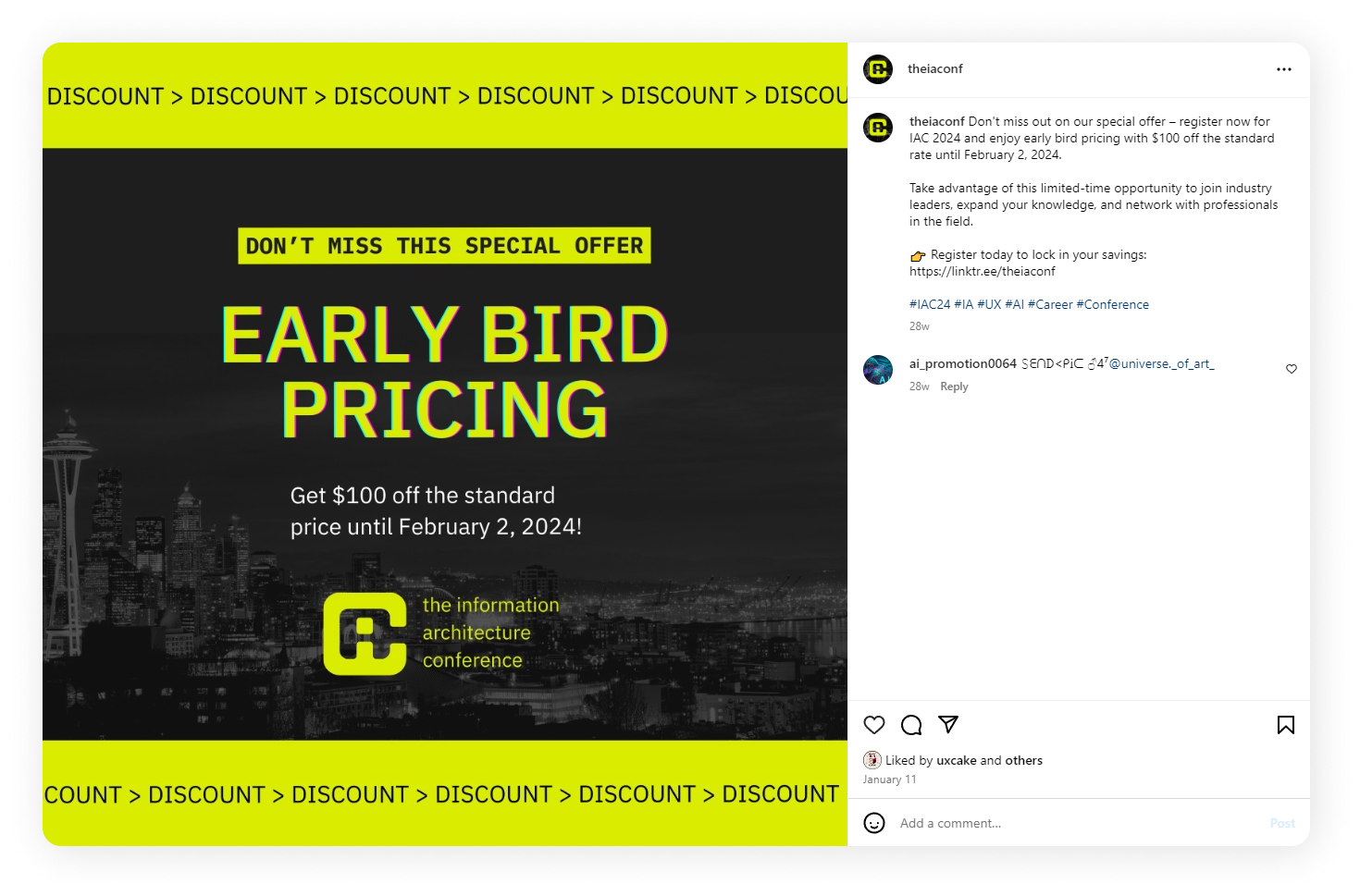
- Consistent Posting Schedule: Consistency is essential in both UX and social media. We developed a posting calendar, ensuring regular updates across LinkedIn, Instagram, X, and Mastodon. Our schedule was designed to increase in frequency as the event approached, peaking during ticket sales.
- Scalable Framework: Beyond immediate results, we designed the posting process to be repeatable and scalable. This structure ensured the client could continue to benefit from a user-centered approach for future campaigns.
3. Collaborative Strategy Implementation (Cross-functional Collaboration)
UX thrives on collaboration. To implement our strategy effectively, we fostered a collaborative work environment within the team and with external stakeholders.
- Collaborative Workflows: We held weekly meetings to ensure all team members—content creators, designers, and marketing strategists—were aligned on the messaging. This open communication allowed us to adjust quickly and stay unified in our goals.
- Community Engagement: Leveraging community-driven content is another key UX tactic. By creating press kits for speakers and facilitators, we empowered them to share content with their own networks, exponentially increasing our campaign’s reach.
- Feedback Loops: Just as UX relies on user feedback to improve designs, we created a feedback loop by analyzing the performance of each post and making real-time adjustments to our strategy.
4. Designing for Accessibility (Inclusive Design)
UX is not only about what is designed but how accessible it is to all users. We ensured that our social media content adhered to modern accessibility standards.
- Accessibility Best Practices: We incorporated best practices like appropriate color contrast, alt text for images, and intentional hashtags to make the content more accessible to a diverse audience, including those with disabilities.
- Template Design: Using tools like Canva and Figma, we developed accessible, branded templates for consistent use across platforms. These templates ensured that all posts aligned with the accessibility standards we established, as well as the needs of various user groups.
5. Continuous Improvement (Iterative UX Process)
A user-centered approach is never static. We continually reviewed and adjusted our strategy based on how users responded.
- Performance Analysis: Each week, we tracked how posts performed across platforms. If a certain type of content underperformed, we refined the messaging, visuals, or posting times based on user engagement data.
- Responsive Adjustments: By applying the iterative process, a core tenet of UX, we ensured the campaign remained user-focused and adaptive, evolving in response to user behavior.

Results: A User-Centered Success
Our UX-focused approach delivered significant outcomes for the IAC social media campaign:
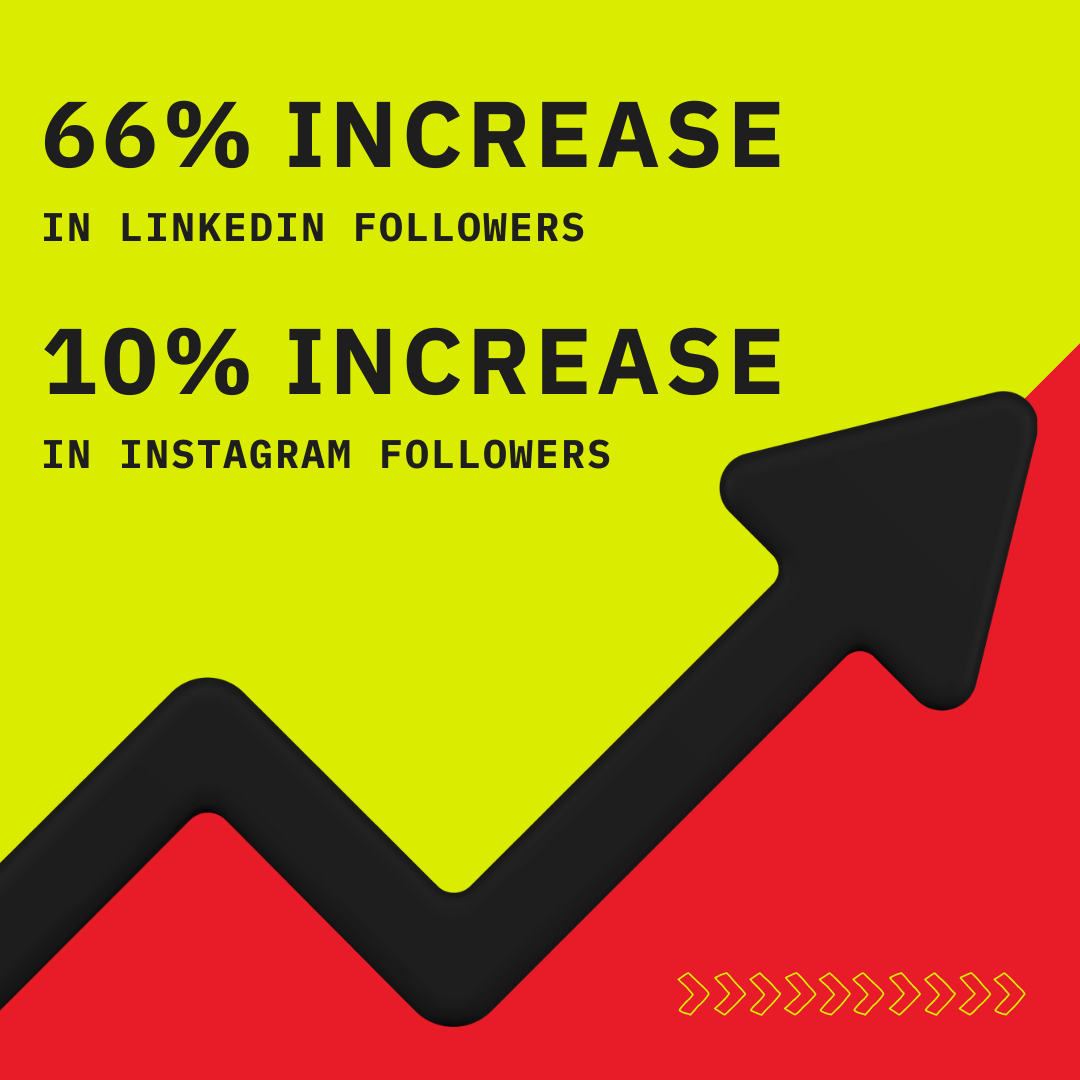
- Increased Followers and Engagement: Instagram followers rose by 10%, and LinkedIn followers increased by 66%.
- High Volume of Content: We published 93 posts on each platform, resulting in 372 total posts across all platforms.
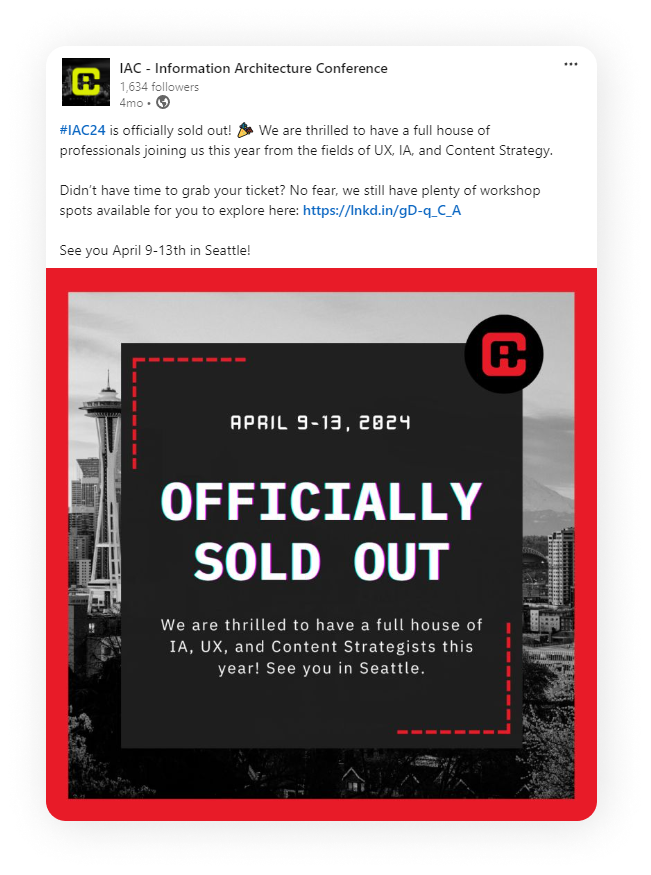
- Sold-Out Event: For the first time in IAC history, the 2024 conference sold out, with 30% of first-time attendees discovering the event through social media.
Challenges and Learnings
Despite our success, we encountered several challenges:
- Evolving Social Media Trends: As user behavior shifted across platforms, we found some redundancy in our multi-platform strategy. Regular user-centered reviews allowed us to refine our approach and stay aligned with audience preferences.
- Tool Overload: Initially, managing multiple tools caused confusion. By streamlining the toolset, we improved efficiency, ensuring only the most necessary tools were used.
- Duplicated Work: While our team did a good job of making sure that our tasks were clear, we found that there were similar task being completed by us and other teams we were not directly working with. In the future, we will seek to understand how we can limit the amount of work overlap between us and other teams.

Moving Forward
Our user-centered approach highlighted opportunities for improvement in future campaigns:
- Centralizing Information: To avoid redundant work and improve task clarity, we will implement a more centralized system for collaboration.
- Pre-Created Templates: Designing templates in advance will streamline future content creation.
- Empowering the Community: Strengthening engagement with speakers, attendees, and volunteers will expand the campaign’s reach and impact.

Takeaway
By applying UX principles like user research, clear goal-setting, iterative improvements, and collaborative design, we successfully shaped IAC's social media strategy. This user-centered approach led to increased brand awareness, higher engagement, and a sold-out event.
Meet the Team
- Caroline Craner (Social Media Communications Manager)
- Jenny Ear (Marketing and Content Designer)
- Oghogho "PJ" Ekhator (Accessibility Designer)
